Paid vs Organic Social Media Marketing: Which One Should You Choose?
- February 17, 2026
- Uncategorized
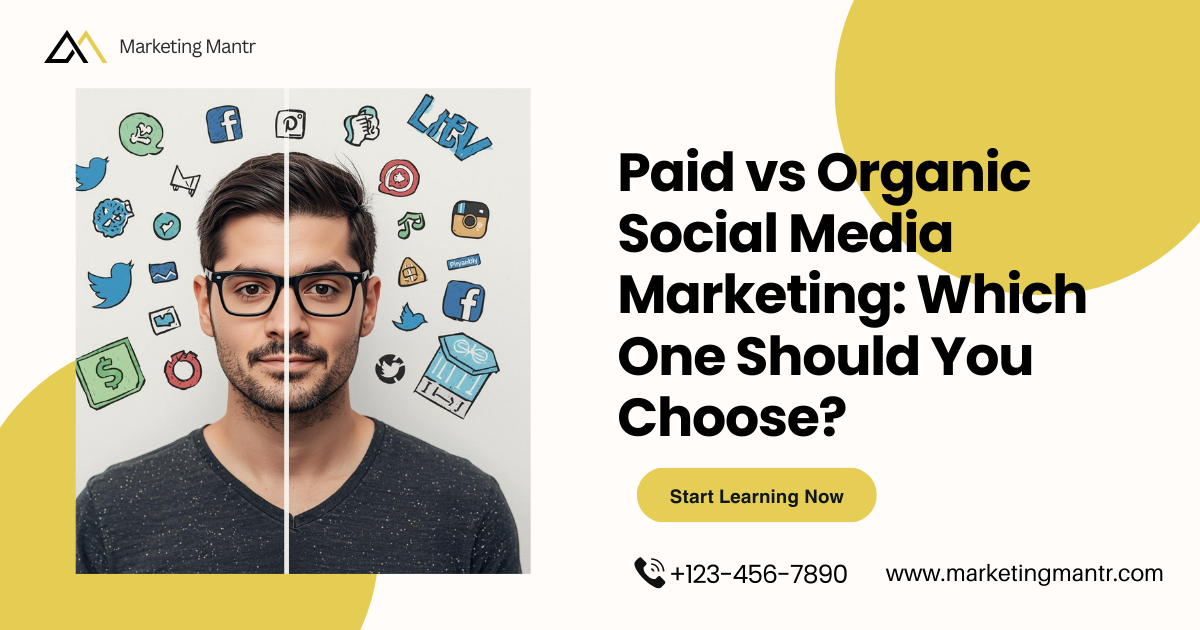
Today’s digital world puts businesses in a tough spot: should they go for paid ads or lean more towards organic growth? Figuring out the right social media ROI strategy can really impact your marketing budget. Let’s take a closer look at both methods to help you figure out which one brings better returns for your business.
Here at Marketing Mantr, we think that grasping the difference between paid and organic social media marketing is key to a solid digital strategy. In this blog, we’re going to break down what each approach entails, how they function, and how to decide which one fits your business best.
Understanding the Basics
Before we get into the comparison of these strategies, it’s crucial to know what each one is about. Paid social media means putting your money into ads, sponsored posts, and promoted content on platforms like Facebook, Instagram, LinkedIn, and Twitter. On the flip side, organic social media marketing is all about creating and sharing content without the direct costs of advertising, and it’s about building your audience through genuine engagement and valuable content.
What Is Organic Social Media Marketing?
Organic social media marketing involves free strategies that help grow your brand on social platforms without spending on ads. This approach focuses on naturally creating and sharing content with your followers and engaging with them over time. Organic social media includes things like: Regular posts, stories, reels, and videos Engaging with the community through likes, comments, shares, and DMs Using hashtags effectively Encouraging user-generated content Building relationships and trust Organic marketing is all about long-term growth, being authentic, and staying consistent. It helps brands create a solid presence and a loyal community without directly paying for reach.
Benefits of Organic Social Media Marketing
Builds Trust and Authenticity:
Organic content generally feels more genuine and less pushy. Audiences tend to trust brands that consistently add value instead of just focusing on sales.
Cost-Effective:
Since it doesn’t involve advertising costs, organic social media marketing is great for startups, small businesses, and personal brands that may have tight budgets.
Encourages Community Building:
Organic strategies promote conversations and engagement, which helps brands form meaningful relationships with their audiences.
Supports Long-Term Growth: Although results take time, organic social media lays a strong foundation that continues to provide value in the long run.
Increases Brand Awareness:
By keeping up consistent and thoughtful engagement through organic social media marketing, businesses can raise their visibility and brand recognition. Regularly sharing valuable content and interacting with your followers helps keep your brand in the minds of potential customers, slowly but surely building familiarity and trust.
Limitations of Organic Social Media Marketing
Despite the advantages, organic social media marketing does have some downsides: Limited reach because of platform algorithms Slower results compared to paid campaigns Needs consistent effort and creativity Harder to scale quickly With platforms increasingly prioritising paid content, relying solely on organic methods might limit your growth potential.
What Is Paid Social Media Marketing?
Paid social media marketing is about putting money behind promoting content, products, or services on platforms like Instagram, Facebook, LinkedIn, YouTube, and TikTok. These promotions show up as sponsored posts, stories, reels, or ads.
Paid social media includes:
Sponsored posts and boosted content, Display and video ads, Lead generation ads, retargeting campaigns, Collaborations with influencers
Paid marketing is focused on getting immediate visibility, targeted reach, and faster conversions.
Benefits of Paid Social Media Marketing
Instant Reach and Visibility:
With paid ads, brands can instantly reach thousands or even millions of users, regardless of how many followers they have.
Advanced Targeting Options:
Businesses can target their audience based on factors like: Age, gender, and location Interests and behavior Purchase intent Website visitors and previous customers This helps ensure that ads reach the most relevant audience.
Faster Results:
Paid campaigns are great for product launches, promotions, events, or seasonal offers where quick results are needed.
Scalable Growth:
As long as the campaigns are performing well, businesses can boost their budgets and scale results efficiently.
Measurable ROI:
Paid social media offers detailed analytics that help marketers track impressions, clicks, leads, conversions, and return on investment.
Limitations of Paid Social Media Marketing
However, paid social media has its own set of challenges: Requires budget allocation Results can stop as soon as the ad spend does. A poor strategy can waste money. Ad fatigue can happen if content becomes repetitive. Without careful planning and optimisation, paid campaigns might not yield the results you’re looking for.
Key Differences Between Paid and Organic Strategies
The main difference lies in speed, cost, and sustainability.
Organic marketing focuses on long-term brand building, while paid marketing focuses on immediate visibility. Organic methods require time and effort but minimal financial investment. Paid strategies require money but deliver faster results.
Organic marketing builds trust and community, while paid marketing drives quick conversions and targeted reach. Ideally, businesses should understand that these strategies are not competitors—they are complementary tools.
When Should You Choose Organic Marketing?
Organic marketing is ideal when your goal is to build a strong brand presence and loyal audience. If you are just starting your business, organic strategies help establish credibility and identity. They are also suitable for businesses that want to focus on storytelling, education, or community engagement rather than immediate sales.
Choose organic marketing if
You have a limited budget
You want long-term growth
You want strong customer relationships
Your focus is brand awareness rather than quick conversions
Organic strategies are especially powerful for personal brands, creators, coaches, consultants, and niche businesses where trust and authenticity matter most.
When Should You Choose Paid Marketing?
Paid marketing is best when speed and targeting matter. If you are launching a product, promoting a limited-time offer, or trying to generate leads quickly, paid ads can deliver immediate results.
Choose paid marketing if:
You want quick sales or leads
You need to reach a new audience fast
You’re launching a product or campaign
You want measurable performance data
Paid advertising is commonly used by e-commerce brands, event promoters, app developers, and businesses running seasonal promotions.
Which One Should You Choose?
Choose Organic Social Media Marketing If:
You’re building a brand from scratch You want to focus on long-term trust and loyalty Your ad budget is tight You’re looking to establish authority You aim to build a community Organic marketing is a key element of brand presence and should never be overlooked.
Choose Paid Social Media Marketing If:
You need quick results You’re launching a new product or service You want to generate leads or sales rapidly You’re looking to expand your reach You’re targeting a specific audience segment Paid marketing is perfect for speeding up growth and boosting conversions.
Why a Combined Strategy Works Best
The most successful brands don’t rely solely on paid or organic marketing. Instead, they combine both to create a balanced and effective strategy.
Organic content builds credibility, trust, and engagement. Paid campaigns amplify reach and accelerate growth. When you run ads on content that already performs well organically, you increase your chances of success because the content is already validated by your audience.
For example, a brand might post reels regularly to grow organically and then promote its best-performing reel as an ad to reach a larger audience. This approach ensures that advertising money is spent on content proven to attract attention.
Common Mistakes to Avoid
Many businesses make the mistake of relying only on ads without building organic credibility. This can make a brand look promotional rather than authentic. Others rely only on organic growth and ignore paid opportunities, which limits their reach.
Avoid these mistakes:
Running ads without a content strategy
Posting inconsistently
Targeting the wrong audience
Ignoring analytics
Expecting instant results from organic marketing
A successful strategy requires patience, experimentation, and consistency.
How Marketing Mantr Can Assist Brands in Choosing the Right Strategy
Every business is unique. That’s why Marketing Mantr takes the time to: Understand your business goals. Analyze audience behaviour. Create tailored social media strategies. Find the right balance between organic consistency and paid performance. Continuously track results and optimise accordingly. Whether your focus is on organic growth, paid campaigns, or a mix of both, our approach always aims for long-term brand success rather than just short-term numbers.
Conclusion
Social media marketing is not about choosing between paid and organic; it’s about understanding how each works and using them strategically. Organic marketing builds trust, authenticity, and loyalty, while paid marketing delivers speed, targeting, and measurable outcomes. Businesses that integrate both approaches gain a competitive advantage, reaching audiences effectively while building lasting relationships.
Marketing Mantr Tip: Start organic, learn what your audience loves, then invest in paid campaigns to scale your success. This balanced approach ensures sustainable growth, better engagement, and stronger returns on your marketing efforts.
More from our blog
See all posts
Recent Posts
- Instagram Marketing Strategy for Small Businesses February 17, 2026
- Best AI tools for digital marketing.(Fees and charges) February 17, 2026
- Benefits of AI Marketing Automation for Businesses February 17, 2026